
A-Z Scranton Concrete Works
Concrete Retaining Walls & Small Concrete Walls in Scranton, PA
Stable Concrete Walls for Slopes, Edges, and Outdoor Spaces
GRAB THE FREE QUOTE TODAY
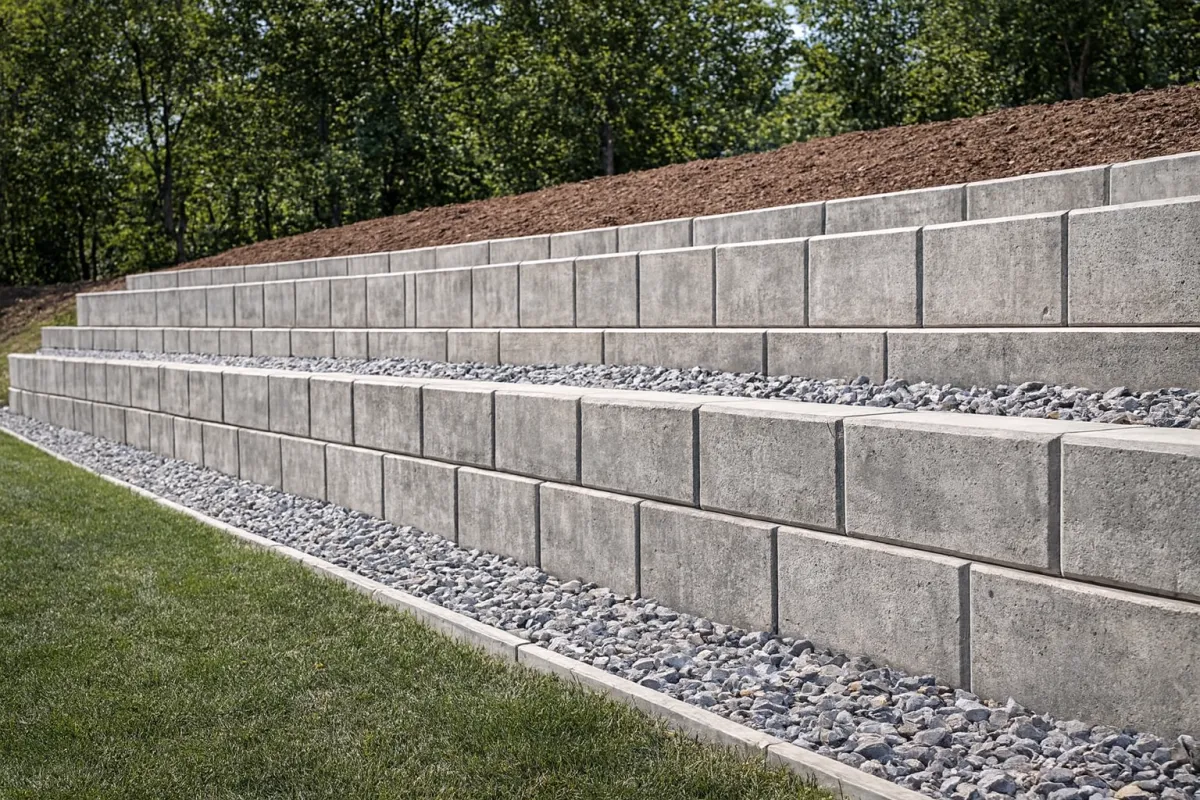
A-Z Scranton Concrete Works builds cast in place concrete retaining walls and small concrete walls for homes and small commercial sites. We focus on walls that hold soil, shape grade, and create clean edges around drives, walks, patios, and planting beds. Each wall sits on a proper footing, uses steel reinforcement, and includes drainage so it can handle local weather and soil conditions.
We handle concrete retaining wall projects, low garden walls, wall caps, small privacy walls, and step walls that tie into walks and entries. As a working concrete contractor, we match the wall design to your yard layout, soil, and water flow, and keep the details simple to understand.
Planning Walls for Grade and Layout
Good planning decides how well a wall performs. Before we dig, we look at how the ground changes and what the wall needs to hold.
We review:
Height of the slope and change in grade
Distance from buildings, fences, and property lines
Soil type and moisture in the area
How water moves across the yard after rain
Tie in points to steps, walks, and driveways
This planning helps set wall height, thickness, and footing size. It also guides where steps, landings, and small pads should sit so people can move safely from one level to another.
Footings and Base for Retaining Walls
A concrete wall needs a footing that does not move. We excavate to the right depth, remove soft soil, and place a compacted base before we form and pour the footing.
What goes into a proper wall footing
Dig to firm, undisturbed soil
Add and compact a layer of crushed stone if needed
Form the footing to match wall width and depth
Place rebar in the footing in a simple grid
Set starter bars to tie the wall into the footing
A good footing spreads the load and helps keep the wall from tilting, sliding, or settling. It is one of the main reasons a concrete retaining wall lasts.
Steel, Wall Thickness, and Backfill
Concrete walls rely on steel reinforcement to resist soil pressure. We size the wall and the steel for the height, soil type, and use.
Our process includes:
Rebar cages tied in place before the pour
Wall thickness matched to height and load
Strong connection between wall and footing steel
Backfill in layers with compacted stone or suitable soil
On higher walls or special cases we can work from engineer designs. For small residential concrete walls, we follow simple, proven layouts that still include proper steel.
Drainage Behind the Wall
Water behind a wall can cause pressure and damage if it has no place to go. We include drainage details as part of the job, not as an afterthought.
Common drainage steps:
Stone backfill behind the wall instead of heavy clay
Perforated drain pipe at the base where needed
Outlets or daylight points for the drain pipe
Weep holes through the wall on select projects
These steps give water a clear path out, reduce pressure, and help limit freeze thaw damage in winter.
Finishes and Layout Options
Concrete walls can be plain and simple or slightly dressed to match other concrete on the property.
Options include:
Smooth formed finish for a clean, simple look
Light broom or rubbed finish on exposed faces
Simple caps that match steps, walks, or patios
Color or basic texture to blend with nearby decorative concrete
Short return walls to frame steps, walks, or drive entries
Small concrete walls can frame planting beds, separate parking from grass, or create a backing for fences and railings. We size and finish them so they line up with your other hardscape.
Repairing and Replacing Existing Concrete Walls
Older walls can crack, lean, or lose sections of concrete. We inspect the footing, wall, and backfill before we suggest a fix.
We can:
Patch small surface spalls and chips
Remove and rebuild failing sections
Add drainage to reduce water pressure where possible
Replace entire walls that have shifted or lost support
Rebuild steps and small slabs that tie into the wall
When a wall leans out, has wide cracks, or shows poor footing, full replacement is usually safer than patch repair. We explain why and outline the steps so you know what is involved.
GRAB THE FREE QUOTE TODAY
Frequently Asked Questions (FAQs)
How tall can a concrete retaining wall be?
We build low garden walls and taller retaining walls. The safe height depends on soil type, load above the wall, and footing size. For higher walls, we may work with an engineer or follow plan details to keep the design safe.
Do all retaining walls need drainage pipe?
Most retaining walls benefit from some form of drainage. Short walls in well drained soil may only need stone backfill. Taller walls or wet sites usually need drain pipe and weep holes so water can leave the area.
Can you repair a leaning retaining wall?
Minor movement may be corrected in some cases, but a wall that leans out or has deep cracks often needs to be removed and rebuilt with a new footing and backfill. We check each wall and explain which option fits your situation.
Can concrete walls be finished to match my patio or steps?
Yes. We can match texture and color closely, and we line up joints and edges with nearby patios, walks, and steps so the work ties together. Exact color matches are hard on older concrete, but layout and finish usually blend well.

Plan Your Retaining Wall or Concrete Wall Project
If you need to hold back a slope, clean up a grade change, or add small concrete walls around your yard or drive, we can walk the site and explain a clear plan. We look at soil, height, drainage, and access before we price the work.
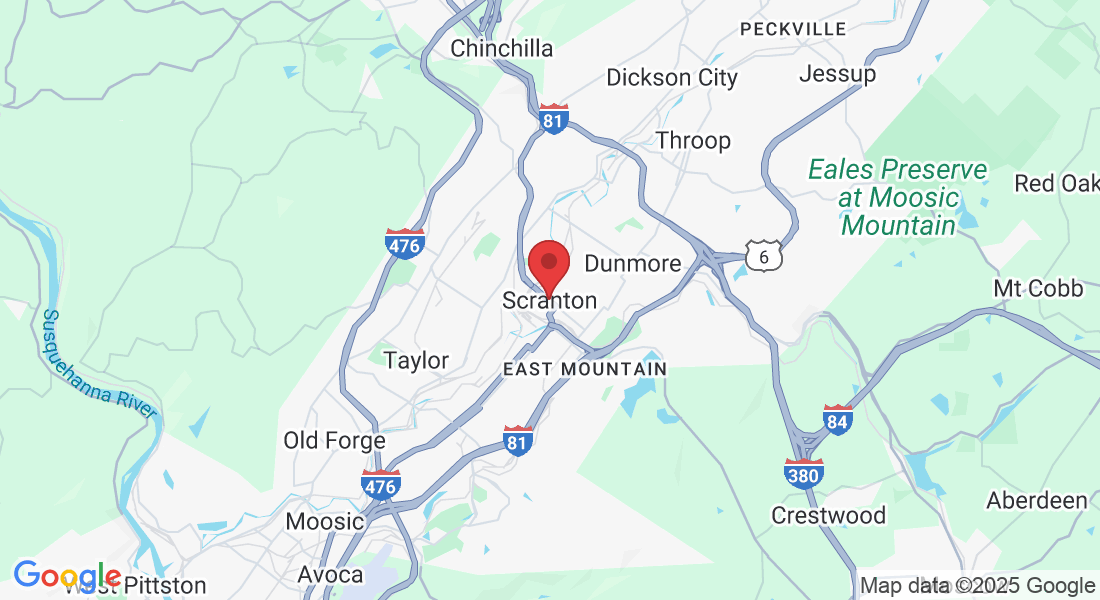
Our Service Area
Scranton, PA
Dunmore, PA
Dickson City, PA
Throop, PA
Taylor, PA
Old Forge, PA
Nearby communities across Lackawanna and Luzerne County
If you are not sure whether we work in your area, give us a call. We will let you know or point you to another option.
LOCATION
Scranton, PA
HOURS
M-Sat: 8am - 6pm
QUICK LINKS
COPYRIGHT © Scranton, Pennsylvania
ALL RIGHTS RESERVED