
A-Z Scranton Concrete Works
Garage Floor & Basement Concrete Floors in Scranton, PA
Durable Concrete Floors for Garages, Shops, and Basements
GRAB THE FREE QUOTE TODAY
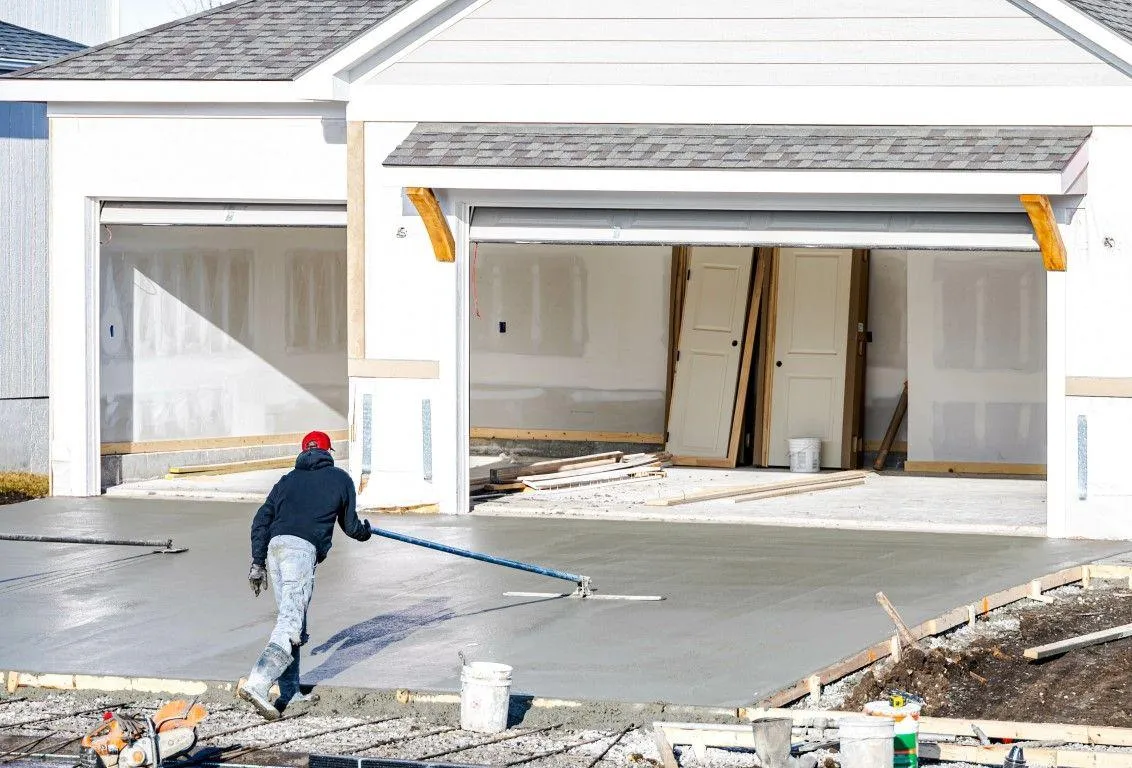
A-Z Scranton Concrete Works installs and replaces concrete floors in garages, basements, small shops, and utility areas. We focus on slabs that are easy to clean, strong under load, and set to the right slope. Each floor gets a compacted stone base, proper thickness, and reinforcement suited to how you use the space.
We handle garage floor concrete, basement concrete floor work, and other concrete slab installation projects for homes and small businesses. As a working concrete contractor, we plan each pour for local soil, freeze thaw cycles, and water control.
Planning the Floor for How You Use the Space
A good concrete floor should match how the room is used. Before we set forms, we look at layout, drains, and access.
We review:
Where vehicles, benches, and storage will sit
Locations of doors, steps, and ramps
Need for floor drains or sump pits
Desired finish for coatings, paint, or bare concrete
Tie in points to existing slabs, footings, or walls
This planning helps us set the right elevation, slope, and thickness for the slab. It also makes later work, such as framing or coating, easier.
Base Prep for Garage and Basement Floors
A concrete floor needs a base that will not shift. We cut out soft soil, shape the subgrade, and place a compacted stone layer.
What goes into a solid base
Remove loose or organic soil
Add crushed stone to a set depth
Compact the stone in layers for support
Check slope toward doors or drains
Set forms or screed rails to final height
A proper base helps control settlement and keeps the floor from cracking or heaving. It also allows water to move away from the slab when needed.
Reinforcement, Thickness, and Vapor Control
Floors see different loads than patios or walks. We size the slab and steel to match the use.
We can include:
Four inch slabs for standard garage and basement use
Thicker slabs in areas with heavy equipment or point loads
Rebar or wire mesh to tie the slab together
Dowels at entries and cold joints
Vapor barriers under interior slabs when needed
Reinforcement and joint layout help keep cracks tight. Vapor barriers help limit moisture from below, which is important for finished basement concrete floor work.
Finishing Options for Garages and Basements
We finish garage and basement floors so they are easy to use and maintain. The finish depends on whether you plan to coat, paint, or leave the slab bare.
Common finishes:
Steel trowel finish for coatings and epoxy systems
Light broom or textured finish for utility areas
Saw cut control joints in a clean grid pattern
Edge tooling at walls, doors, and posts
For garage floor concrete we often slope the surface toward the overhead door or floor drain. This helps move meltwater, mud, and spills away from walls and steps.
Repairs, Replacement, and Resurfacing
Many older floors crack, pit, or settle over time. We inspect the slab and base before we suggest a fix.
We can:
Remove and replace badly cracked or sunken floors
Patch small areas with spalling or scaling
Grind high spots and clean joints
Resurface sound slabs with a bonded topping when the base is still good
When the base is weak or the slab has wide movement, full replacement gives better results than patching. We explain why and outline the steps so you know what to expect.
Floors for Small Shops and Light Commercial Use
We also pour floors for small shops, utility rooms, and light commercial concrete spaces. These slabs often need thicker sections, added steel, and more joint control.
We plan for:
Machine and workbench locations
Pallet and cart traffic routes
Drain and trench locations
Access at loading doors and ramps
Each slab is checked for level and thickness before other trades begin work.
GRAB THE FREE QUOTE TODAY
Frequently Asked Questions (FAQs)
How thick should a garage floor be?
Most garage floors are at least four inches thick. Areas with heavy trucks, lifts, or equipment may need more depth and added steel. We size the slab for how you plan to use it.
Can you pour a new floor over my old one?
Sometimes. If the old slab is sound, has enough height at doors, and does not move much, we may be able to bond a new slab or topping. If the slab is thin, loose, or at the wrong elevation, removal and replacement is the better option.
Do basement floors need a vapor barrier?
In many cases, yes. A vapor barrier under a basement concrete floor can help reduce moisture issues, especially if you plan to finish the space or add flooring on top of the slab.
Can you fix low spots or standing water on my existing floor?
We can often grind high spots, fill low areas, or resurface sections if the base is solid. If ponding comes from deeper settlement or poor base, a new slab may be needed.

Plan Your Garage or Basement Floor Project
If you need a new garage floor, want to replace a cracked basement slab, or plan a small shop or utility room, we can walk the site and explain a simple plan. We look at grade, drainage, access, and future use before we price the work.
Call (570) 774-5505 to schedule a garage and basement floor review with A-Z Scranton Concrete Works.
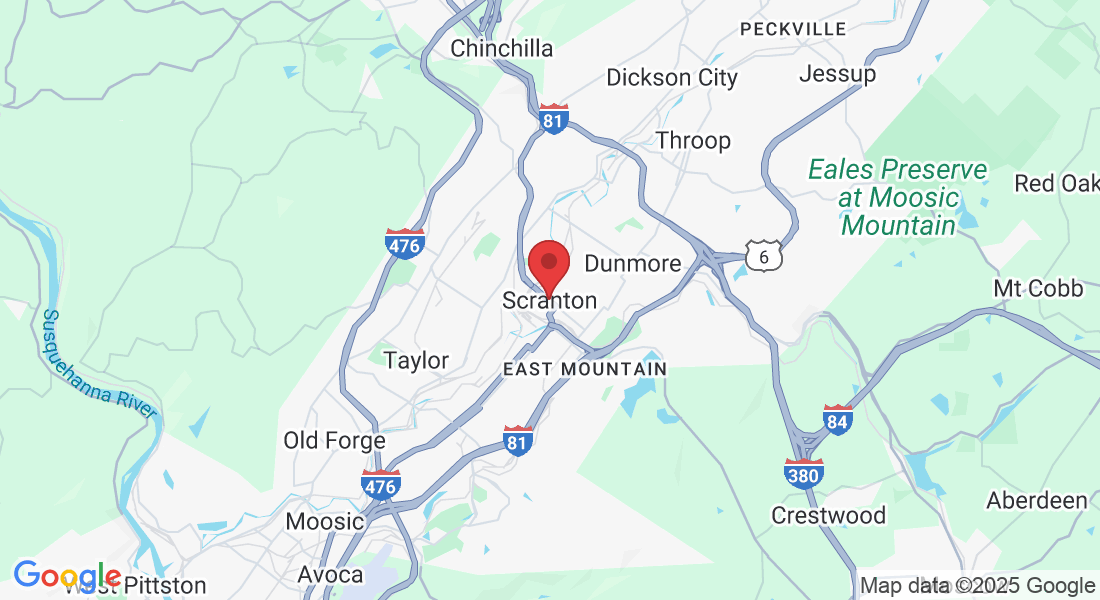
Our Service Area
Scranton, PA
Dunmore, PA
Dickson City, PA
Throop, PA
Taylor, PA
Old Forge, PA
Nearby communities across Lackawanna and Luzerne County
If you are not sure whether we work in your area, give us a call. We will let you know or point you to another option.
LOCATION
Scranton, PA
HOURS
M-Sat: 8am - 6pm
QUICK LINKS
COPYRIGHT © Scranton, Pennsylvania
ALL RIGHTS RESERVED